







Search Results for: coffee machine boiler system
A Beginner's Guide to Coffee Latte Art: A Complete Guide to Choosing Equipment and Tools from Espresso Machines to Latte Art Pitchers
Wanting to learn latte art, passion alone is not enough—choosing the right equipment and tools is the first step. This article is aimed at beginner baristas and systematically sorts out the various basic equipment needed to get started with latte art: from the differences and selection points of the four boiler systems in professional Italian espresso machines (single boiler, heat exchanger, dual boiler, multi-boiler), to the classification of steam wands and steam tip types, then to grinder burr types, tamper shape matching, latte art pitcher spout shapes and groove designs, as well as the logic for choosing materials such as espresso beans and milk. It also analyzes the influence of cup shape on latte art results and gives the key parameters for adjusting machine settings, helping beginners avoid detours and laying a solid hardware foundation for subsequent latte art practice. [more…]
A Complete Guide to Espresso: From Boiler Systems to Milk Frothing and Latte Art — Professional Fundamentals
Want to systematically master the underlying logic of espresso? This article provides a complete overview of the core knowledge system of espresso, from equipment principles to practical details. It first deeply analyzes the differences between four types of boiler heating systems and their impact on extraction stability, then explains one by one the selection of steam wands, the structure of grinder burrs, the matching principles of tampers, and key points for choosing latte art pitchers. In the materials section, it focuses on comparing the roasting differences between Northern and Southern Italian-style coffee beans and the logic for selecting suitable milk. Finally, it focuses on the five major variables of extraction and the six factors of milk frothing, and explains in detail the techniques for integrating coffee and milk foam. The full text balances theoretical depth with operational guidance, making it suitable for coffee enthusiasts who want to solidify their foundations to read carefully. [more…]
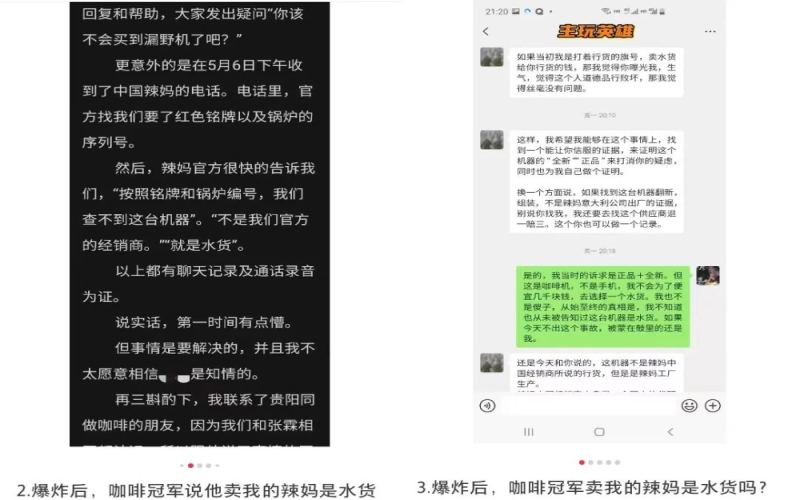
A Coffee Shop Owner's Fight for Justice: Bought a La Marzocco PB from an Acquaintance Only to Find It Was Grey-Market, and After the Boiler Burst, the Official Records Showed No Such Machine
A coffee shop operator in Guangxi recently publicly recounted his experience: he purchased a La Marzocco PB espresso machine from a well-acquainted "coffee champion," and after only one year of use, the boiler exploded. When he applied to La Marzocco China's official after-sales service, he was told that the machine had no record in the system and was a "grey import" sold through unofficial channels. The shop owner believes the other party deliberately concealed the sales channel, and has sent a lawyer's letter and reported the matter to the police. This dispute quickly fermented within the coffee community and also drew practitioners' attention to how to distinguish genuine La Marzocco espresso machines from grey imports. Front Street Coffee reminds all colleagues that when purchasing equipment, one must make sure to buy through officially authorized channels, and not risk a big loss for a small gain. [more…]
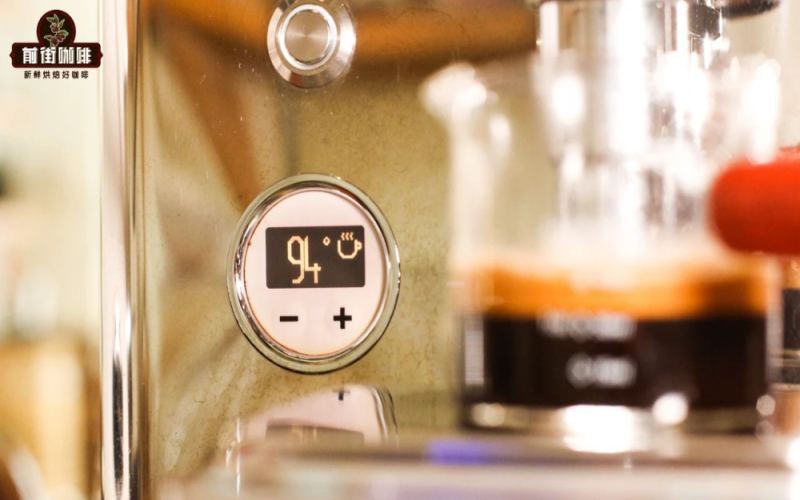
A Detailed Explanation of the Principles and Operation of Semi-Automatic Espresso Machines, with a Front Street Coffee Espresso Bean Buying Guide
The semi-automatic espresso machine is the core equipment of a professional coffee shop. With its high-pressure pump and independent boiler system, it can quickly extract rich, flavorful espresso. This article will walk through the machine's principles, boiler structure, suitable bean selection, and the complete extraction workflow step by step, helping coffee enthusiasts understand how a semi-automatic espresso machine works and the key operational points. At the same time, drawing on several Front Street espresso blends, it explains how coffee beans with different flavor profiles perform in actual preparation, covering methods for making espresso, Americano, and latte, as well as notes on fine-tuning daily parameters. [more…]
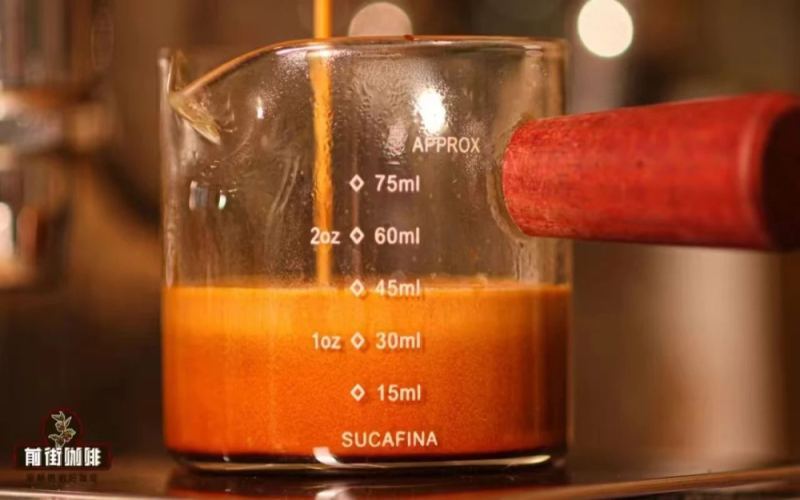
Analysis of Gemilai CRM3120 Commercial Dual-Head Espresso Machine and Beginner Espresso Bean Recommendation Guide
In recent years, the home coffee machine market has continued to heat up, with brands such as Delonghi and Gemilai gradually becoming common choices for coffee enthusiasts just getting started. For beginners new to espresso, besides choosing a machine, selecting the right coffee beans is equally crucial. This article will provide a detailed analysis of the features of the Gemilai CRM3120 commercial dual-head coffee machine, including its independent multi-boiler heating system, automatic pre-infusion brewing, modular design, and energy-saving advantages, as well as other core technologies. At the same time, for users using a Gemilai or Delonghi coffee machine for the first time, it recommends two Front Street espresso blend beans suitable for home brewing—Front Street Classic Blend and Front Street Strawberry Candy Espresso—which respectively satisfy the flavor needs of rich crema and floral-fruity sweetness. [more…]
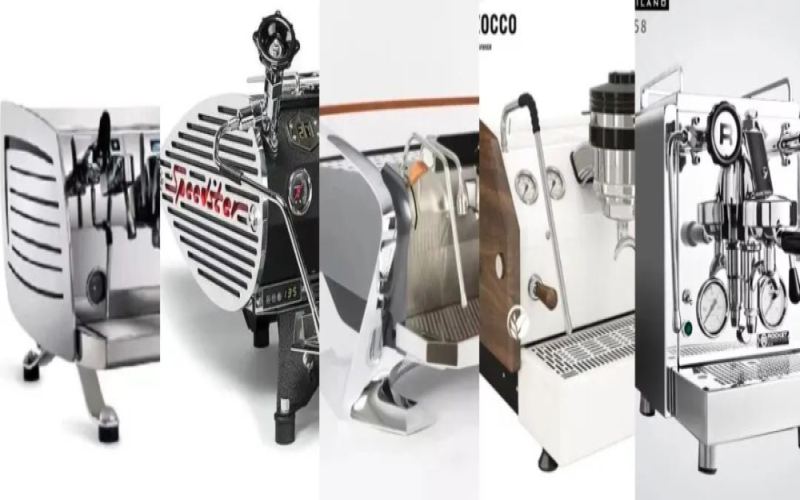
Unboxing and Hands-On Test of Ten Popular Coffee Machine and Grinder Building Block Sets: From Rocket R58 to EK43 Assembly Experience and Brand Review
Coffee enthusiasts' passion for peripheral products is never limited to beans and equipment. This time, we got our hands on ten popular coffee machine and grinder building block models available on the market all at once, covering five series: Late Autumn in Sicily, Midsummer Green, Roman Holiday, Twilight Venice, and Early Spring in Milan, and it took us a week to complete the assembly. From basic models to patience-testing ones, the number of pieces, color schemes, and fidelity to the original machines vary. The article will introduce one by one the real coffee equipment parameters corresponding to each building block set, including Rocket R58, EK43, Slayer Steam EP, Mythos One, La Marzocco GS3, Ultra, Victoria Arduino VA388, LWW EG-1, Kees Speedster, and Mazzer Super Jolly, while also sharing the actual performance of domestic building blocks in terms of fit and structural support. If you also like coffee peripherals, why not take a look at these interesting little items together. [more…]
What Water Should You Choose for Brewing Coffee? Why Purified Water Is Not Recommended for Coffee Machine Extraction
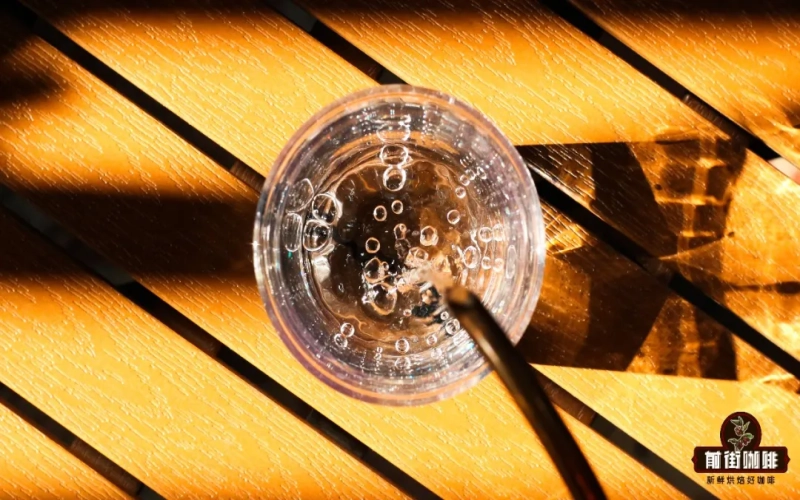
Regarding what water to use for brewing coffee, there has long been a popular saying: "Don't use purified water." Does this claim actually hold up? Water quality really does influence how coffee flavors express themselves, and purified water is called into question mainly for two reasons: first, its extraction efficiency is on the low side, because the water lacks calcium and magnesium ions to help dissolve flavor compounds; second, purified water has poor conductivity, which can cause the boiler probe in a coffee machine to malfunction, leading to abnormal refilling or even breakdowns. Through comparative experiments, Front Street found that coffee brewed with purified water versus mineral water shows only slight differences in concentration and extraction yield—hard for an ordinary person to notice. What is truly unsuitable for brewing coffee is hard water with a TDS above 175 ppm. This article will analyze these points one by one and offer water-quality recommendations for everyday brewing. [more…]
A Comprehensive Review of Fully Automatic and Semi-Automatic Coffee Machine Brands: Comparing De'Longhi, Saeco, Jura, and More
There are many coffee machine brands on the market, from fully automatic to semi-automatic, each with its own positioning and features. This article systematically reviews fully automatic brands such as Delonghi, GAGGIA, Saeco, JURA, Krups, RayStar, and Solis, as well as semi-automatic brands including Rancilio, Nuova, Conti, la pavoni, la Cimbali, Reneka, sanremo, Expobar, Monroc, Wega, and Brasilia, covering each brand's main models, reference prices, core functions, and market reviews. Whether you are just starting out and looking to choose a home machine, or planning to add equipment for a coffee shop, you will find valuable references here. At the end, the article also provides a categorized summary based on recommendation level, making it easy to quickly identify the model that suits you. [more…]
From Grinding to Temperature Control: Systematically Master the Seven Core Elements of Stable Espresso Extraction
To consistently make a delicious Espresso at home or in a shop, relying on feel alone is far from enough—you need to understand and control several key variables. This article breaks down the hardware and operational points that affect espresso quality one by one, from grind uniformity, fixed dose, and tamping technique, to brewing pressure, water temperature, extraction yield, and machine materials. Whether you use a flat burr or conical burr grinder, a vibration pump or rotary pump, you can find practical adjustment ideas here. The article also shares Front Street Coffee's practical suggestions on equipment selection and parameter settings, helping coffee enthusiasts avoid detours and make every shot of espresso closer to the ideal state. [more…]
Espresso Machine Gasket Replacement Tutorial: Causes of Unstable Pressure, Weakened Steam, and Coarse Milk Froth, Plus Deep Cleaning Methods for the Whole Machine
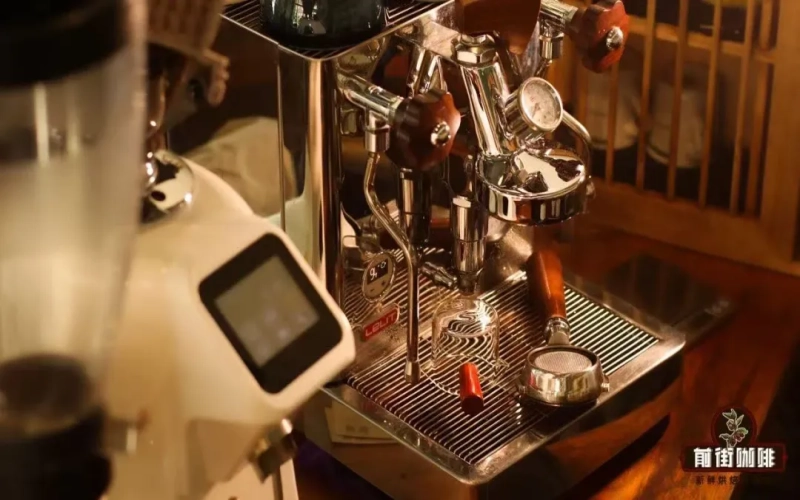
Erratic pressure during extraction, weakening steam, and milk foam that just won't froth up no matter what—these problems are often not a sign of declining skill, but rather that your espresso machine is due for maintenance. Drawing on Front Street's practical experience, this article systematically lays out the daily and deep cleaning routines for espresso machines: including flushing hot water before and after extraction, wiping the steam wand, backflushing, soaking the steam tip to remove scale, as well as how to judge when the group head gasket is wearing out and how to replace it yourself. It also covers the key cleaning points and recommended intervals for the water tank, boiler, and portafilter, helping you keep your espresso machine producing consistent shots and extend its service life. [more…]
Typical Troubleshooting in Espresso Making: A Comprehensive Analysis from Crema Condition and Water Flow Pattern to Extraction Parameters
In the process of making espresso, even experienced baristas inevitably encounter various unexpected situations—crema bubbling, channeling, sharp or overly sour flavors, and every detail can affect the final flavor presentation. This article systematically sorts out several common problems in espresso making, including judging coffee bean freshness, checking extraction parameters, analyzing the causes of crema abnormalities, and diagnosing water flow conditions, and provides targeted adjustment suggestions. Whether you use a Synesso, Expobar, or other machine models, these troubleshooting approaches can help you quickly locate the root of the problem and take a step closer to an ideal cup of espresso. [more…]
How a Moka Pot Works | Can a Moka Pot Replace a Semi-Automatic Espresso Machine? Is There a Big Difference in Flavor and Mouthfeel Between Moka Pot Coffee and Espresso?
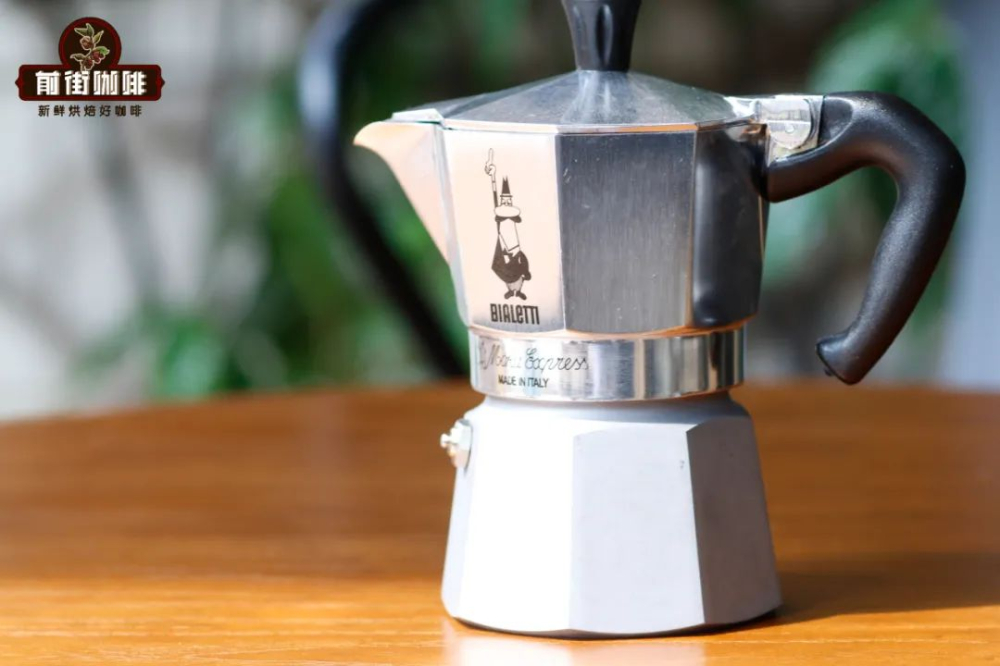
The moka pot is a coffee brewing device with a very long history and is a national treasure-level coffee apparatus of Italy. As everyone knows, Italy is a country of art and romance, and it is also a country that loves drinking coffee. The moka pot is just such a cultural symbol that cannot be ignored, and it is held in high regard all over the world. [more…]
How to Choose Between a Moka Pot and a Semi-Automatic Espresso Machine? A Clear Explanation from Working Principles to Buying Considerations
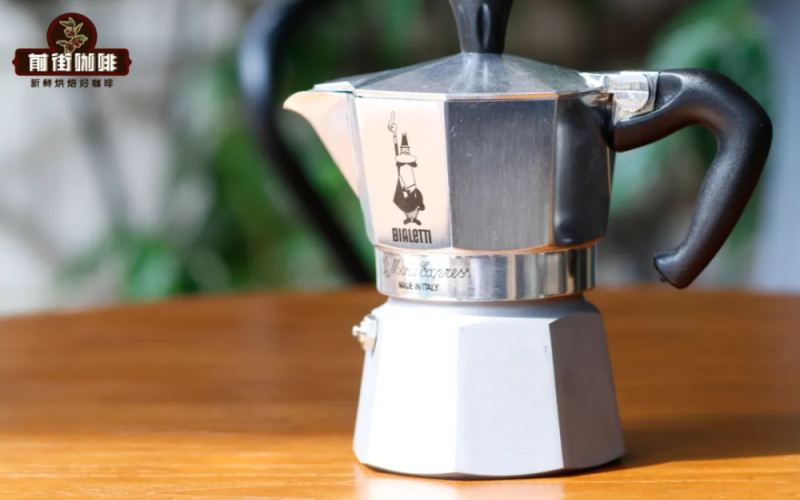
Moka pot and semi-automatic espresso machine: one is a classic device passed down in Italian households for nearly a century, the other is core equipment that has moved from commercial use to specialty coffee shops. Both can make espresso, but they differ greatly in pressure, crema performance, usage scenarios, and budget threshold. This article will start with the invention and structural principles of the moka pot, sort out the key evolution of espresso machines from the 1885 prototype to the E61 brewing system, then compare the suitable users for each device, and provide Front Street Coffee's medium-dark roasted espresso bean recommendations. If you are struggling over which type of equipment to buy, or want to know what coffee beans pair with pressure-assisted extraction, this content can help you clarify your thoughts. [more…]
Moka Pot vs. Semi-Automatic Espresso Machine: How to Choose? From Working Principles to Buying Advice, Explained Clearly in One Go
The moka pot and the semi-automatic espresso machine are both pressure-based extraction devices, yet they represent two different directions: household convenience and commercial professionalism. The moka pot was born in 1933, designed by Alfonso Bialetti, founder of Bialetti, and became a staple of Italian households thanks to its compact size and affordable price; the semi-automatic espresso machine evolved from the steam pressure device of 1885 all the way to the epoch-making FAEMA E61 in 1961, laying the design foundation for modern espresso machines. The two differ markedly in pressure, crema performance, and usage scenarios. Starting from their historical development, working principles, and practical needs, this article will analyze the pros and cons of each, and combine them with Front Street Coffee's bean recommendations to help coffee lovers find the one that suits them. [more…]
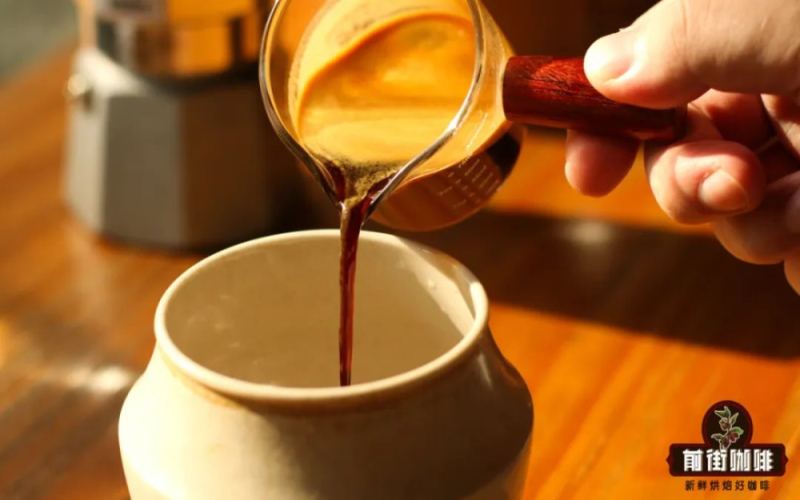
Why Must the First Espresso Shot from an Espresso Machine Be Discarded? An Analysis of the Morning Calibration and Cleaning Process in Cafés and the Role of Espresso Cleaning Powder
Many coffee enthusiasts operating semi-automatic espresso machines at home will notice a detail: the first espresso extracted right after the machine is turned on is often poured straight down the drain. This is not waste, but an early-tuning routine followed by both professional coffee shops and experienced home baristas. Why exactly can't this espresso be drunk? What systematic preparatory work do coffee shops do before officially opening? What role does espresso cleaning powder play in this? This article will focus on the daily startup routine of espresso machines, explain why the first shot of espresso is discarded, and comprehensively lay out the standard steps for in-store morning tuning, while also explaining the uses of cleaning powder and recommendations for choosing it. The article will also draw on the practical experience of Front Street Coffee to help everyone develop a correct mindset for coffee machine maintenance. [more…]
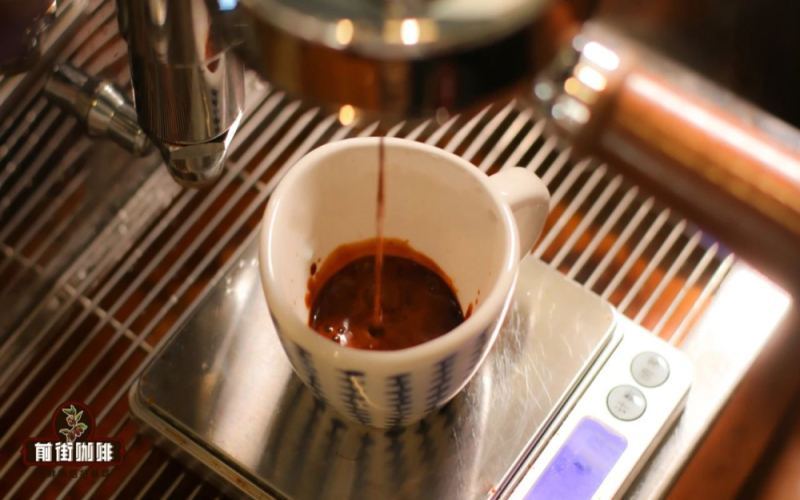
Where Does the Dark Chocolate Flavor in Espresso Come From? A Detailed Guide to Espresso's Taste Characteristics and Brewing Process
Espresso originates from the Italian word "Express," meaning fast—it can complete extraction within tens of seconds and is one of the core offerings of modern coffee shops. From the birth of the espresso machine at the end of the 19th century to Gaggia's introduction of the spring piston pressure system in the mid-20th century, which made golden Crema appear on the coffee surface for the first time, the craft of making Espresso has continuously evolved. An ideal shot of espresso should be rich without being scorched or bitter, full-bodied and substantial, with a clear sweet aftertaste, covered by a delicate and smooth golden crema. This article will comprehensively organize the knowledge system of espresso from its historical context, flavor standards, and coffee bean selection to specific preparation steps, and use Front Street Coffee's blend beans as an example to demonstrate the production process for espresso and Americano. [more…]
Complete unboxing record of the La Marzocco Strada espresso machine: Analysis of the pressure profiling technology in both MP and EP versions
In recent years, variable pressure extraction has become the most closely watched technological direction in the field of espresso machines. From Synesso to Slayer, and then to the Strada launched by La Marzocco, the design of pressure control valves has continuously evolved. This article provides a complete record of the unboxing of the La Marzocco Strada at the illy Coffee University in Shanghai, China, detailing the appearance, structure, and core differences between the Strada MP manual version and the Strada EP electronic version. The MP version directly controls water flow and pressure through an internal mechanical valve, while the EP version uses an electronic gear pump to achieve stepless pressure variation from 0 to 12 BAR and can store pressure profiles. For coffee enthusiasts following the technological development of espresso machines, as well as readers of Front Street Coffee, this unboxing record provides rare hands-on details and firsthand observations. [more…]
The Origin and Evolution of Espresso, Extraction Parameters and the Full Process for Making a Good Shot
The word Espresso originates from the Italian word Express, meaning fast, and this type of coffee can be produced in an extremely short time. From the initial steam pressure design at the end of the 19th century, to Luigi Bezzerra adding a pressure stabilization device and portafilter in the 20th century, to Gaggia improving the piston system in 1946 to bring golden Crema, Espresso has gone through a history of continuous evolution. This article will sort out the origin and flavor standards of Espresso, and explain in detail Front Street Coffee's practical methods for espresso extraction parameters, dose, water temperature, and time, while also including a complete demonstration of making hot Americano and iced Americano with the Sunflower Warm Sun blend. [more…]

History of the Origins of Espresso | How Do You Make Italian Espresso with Golden Crema? What Flavor Characteristics Does Espresso Have?
The term "Espresso" originates from the Italian word "Express," meaning "fast." This also indicates that espresso is a product that can be produced quickly. To make espresso, a dedicated espresso machine is required. The birth of espresso [more…]
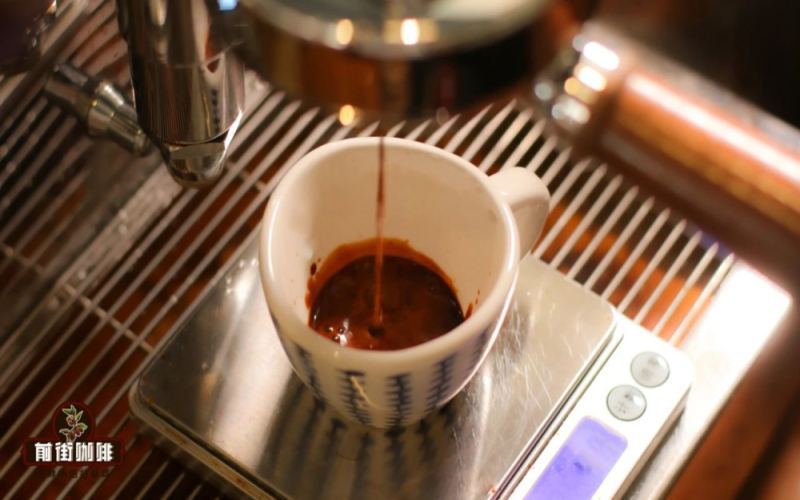
A Complete Guide to Espresso Machine Operation: Steps and Extraction Techniques for Semi-Automatic Coffee Machines
Espresso is renowned worldwide for its rich and full-bodied taste, but making it at home often falls short of café standards, with problems usually stemming from equipment operation and parameter control. This article will start with the extraction principles of espresso machines, gradually breaking down the usage process of semi-automatic espresso machines, including key parameters such as dose, grind size, pressure, and water temperature, and provide ideas for extraction adjustment. At the same time, Front Street Coffee recommends a variety of espresso blend beans for different taste preferences, helping enthusiasts produce consistent espresso at home, and extending to the methods for making Americano and latte. [more…]